



 8th Jan 2026
 Posted by Lynn Perkes on
Activities of Daily Living Made Easier: Essential Products That Support Independence at Home
Maintaining independence at home matters at every age—but it becomes especially important as we get older, recover from injury, or manage chronic conditions. Activities of Daily Living (ADLs)—like bathing, dressing, eating, writing, toileting, transferring, and sleeping—are the everyday tasks that shape quality of life. When any one of those tasks becomes difficult, the right supportive products can make a major difference for comfort, safety, and confidence.
This guide walks through high-impact ADL assistance products across key categories—sleep performance, alerts and sensors, bathroom aids, bedroom assists, dressing aids, eating assists, hand and finger assists, hip kits, medication aids, non-slip aids, reaching aids, therapeutic pillows, and more—along with practical recommendations for choosing what fits best.
Why ADL Assistance Products Matter
For aging adults and caregivers, small barriers or obstacles can turn into big risks:
- Falls are a leading concern—especially in bathrooms, bedrooms, and on stairs
- Reduced grip strength, limited mobility, or joint pain can make dressing, grooming, and mealtime frustrating
- Sleep disruption can worsen balance, mood, and overall health
- Medication errors can increase due to memory changes or complex schedules
- Caregiver strain rises when daily routines require frequent physical help
The right assistive products reduce risk and effort, helping people stay in their homes longer while supporting dignity and independence.
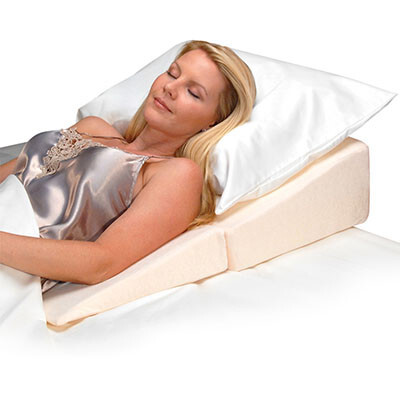
1) Sleep Performance Products: Better Rest, Safer Nights
Sleep impacts everything—energy, cognition, balance, and recovery. If getting comfortable, staying asleep, or repositioning is difficult, consider:
Top sleep-support recommendations
- Therapeutic pillows (cervical, contour, side-sleeper, knee pillows) to reduce neck/back strain and improve alignment
- Wedge pillows to support breathing and reflux relief, or to elevate legs for circulation
- Positioning bolsters to prevent rolling or improve side-lying comfort
- Bed rails or bedside support handles for safer bed entry/exit and nighttime stability
Best for: back/neck pain, reflux, limited mobility, post-surgery recovery, frequent nighttime trips to the bathroom.
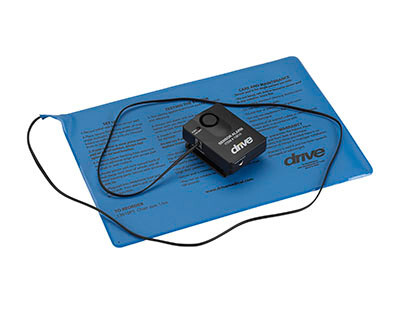
2) Problem Alerts, Safety Sensors, and Monitoring Essentials
Simple home alert systems can provide peace of mind—without being intrusive.
Smart safety and alert options
- Motion-sensing night lights for dark hallways or bathrooms
- Bed and chair exit alarms to notify caregivers if a person at fall risk gets up unassisted
- Door alarms for individuals prone to wandering
- Call buttons / personal alert systems for rapid help access
- Sensor-based reminders (where appropriate) to cue routines
Best for: fall risk, dementia support, nighttime confusion, caregiver reassurance, living alone.

3) Bathroom Aids: The Highest-Impact Category for Fall Prevention
Bathrooms combine hard surfaces, water, and tight spaces—making them one of the most important areas to upgrade.
Essential bathroom safety products
- Grab bars (properly installed) near toilets and showers
- Shower chairs and transfer benches to reduce fatigue and slipping
- Handheld shower heads to improve reach and control
- Non-slip bath mats and anti-slip strips inside and outside the tub
- Raised toilet seats (with or without handles) for easier sit-to-stand
- Toilet safety frames for added stability
Pro tip: Pair a raised toilet seat with non-slip flooring and grab bars for a “system” approach—safer than any single item.
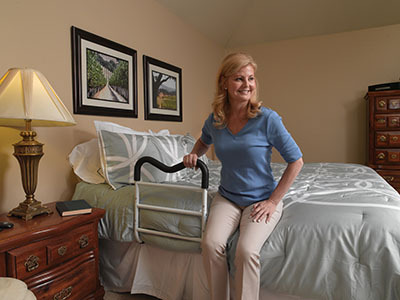
4) Bedroom Assists: Safer Transfers and Easier Mobility
Getting in and out of bed is a daily challenge for many older adults. Bedroom assists reduce strain and help prevent falls.
Helpful bedroom products
- Bedside assist rails / standing aids for leverage when sitting up or standing
- Leg lifters for easier repositioning
- Transfer aids (as recommended by a clinician) for those needing additional assistance
- Overbed tables to keep essentials within reach
- Bed risers (only when safe) for improved bed height alignment
Best for: weakness, arthritis, hip/knee pain, post-surgery, dizziness when standing.
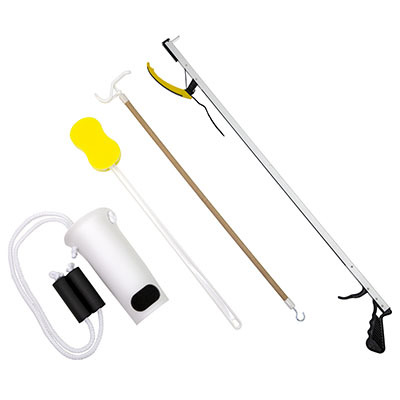
5) Dressing Aids: Independence Without the Struggle
Dressing is a core ADL and can become difficult due to stiffness, limited bending, or shoulder mobility issues.
Popular dressing aids
- Sock aids for putting on socks without bending
- Long-handled shoe horns to reduce strain
- Button hooks and zipper pulls for fine-motor limitations
- Elastic shoelaces to convert shoes into slip-ons
- Dressing sticks for positioning clothing and assisting with sleeves
Best for: arthritis, tremors, shoulder pain, limited flexibility, hip precautions.
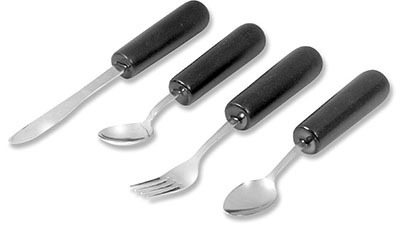
6) Eating Assists: Comfort, Control, and Confidence at Mealtime
Eating difficulties are often tied to grip strength, tremors, limited range of motion, or swallowing challenges.
Recommended eating assistance products
- Built-up or weighted utensils for stability and control
- Non-slip placemats and bowl/plate stabilizers to prevent sliding
- Plate guards or high-lip plates to make scooping easier
- Two-handled cups and lids for better holding to reduce spills
- Adaptive straws and cup holders for easier hydration
Best for: Parkinson’s, stroke recovery, arthritis, tremors, weakness, limited hand control.
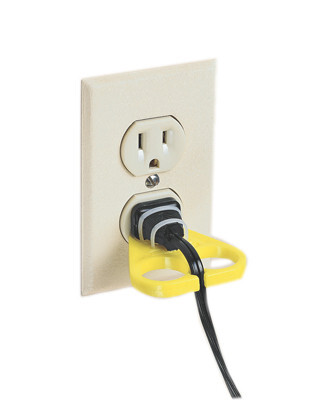
7) Hand and Finger Assists: Better Grip, Less Pain
When hands hurt, everyday tasks—opening jars, turning knobs, writing—become exhausting.
Helpful hand-focused aids
- Grip-enhancing handles for utensils, pens, toothbrushes, and tools
- Jar openers (manual or mounted) for reduced strain
- Thumb and finger supports/splints (as recommended) for stability
- Therapy putty and hand exercisers to maintain function over time
Best for: arthritis, carpal tunnel symptoms, reduced grip strength, joint pain, carpometacarpal thumb joint pain and instability.
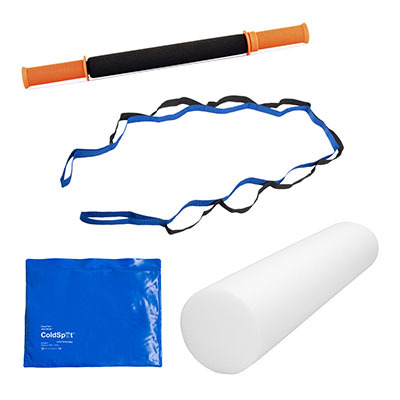
8) Hip Kits and Post-Surgery ADL Recovery Essentials
For individuals recovering from hip replacement or managing hip precautions, hip kits reduce bending and twisting risk.
Common hip kit components
- Reacher/grabber, extends reach and helps compensate for stiffness, and lack of flexibility
- Sock aid, eliminates bending for easier sock application
- Long-handled sponge, facilitating greater range for those hard to reach places
- Dressing stick, making the donning of clothing easier and less stressing
- Long-handled shoe horn, for easy shoe placement on feet without excessive bending
Best for: post-hip surgery recovery, limited bending, caregiver support, safe dressing and bathing.
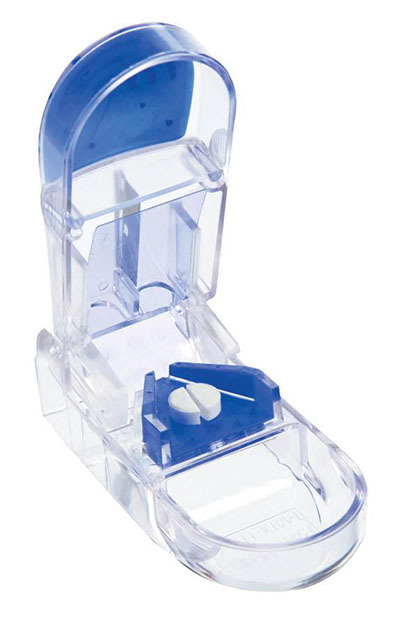
9) Medication Aids: Reduce Missed Doses and Confusion
Medication management is one of the easiest areas to improve—often with big results.
Medication support tools
- Weekly/monthly pill organizers (including AM/PM options)
- Automatic pill dispensers for complex schedules
- Medication reminder alarms (standalone or app-based)
- Pill splitters and crushers (as needed and pharmacist-approved)
Best for: multiple prescriptions, memory support, busy caregivers, complicated dosing schedules.
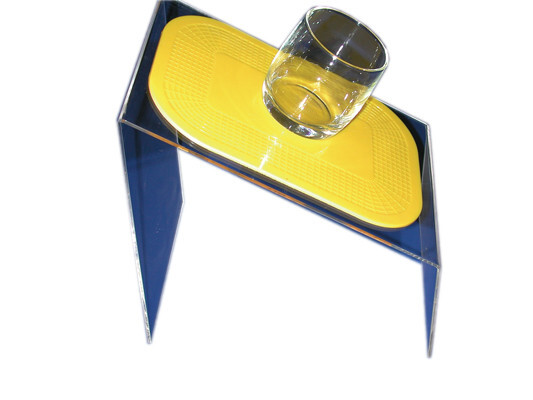
10) Non-Slip Aids: Small Purchases, Big Safety Gains
Non-slip supports are low-cost, high-impact upgrades throughout the home.
Non-slip essentials
- Non-slip socks and footwear, for safer walking
- Non-slip rug pads, a fall prevention strategy
- Non-slip shelf liners (for countertops, drawers, and trays)
- Grip tape for steps or thresholds
Best for: fall risk prevention in kitchens, bathrooms, hallways, and bedrooms.

11) Reaching Aids: Reduce Strain, Prevent Falls
Reaching and bending are common triggers for falls and strains.
Common reaching aids
- Reachers/grabbers for picking items up safely.
- Long-handled sponges for bathing and hygiene.
- Extension tools for dressing and shoe-wearing.
- Bedside organizers to keep essentials close.
Best for: limited mobility, balance concerns, post-surgery precautions, back pain.
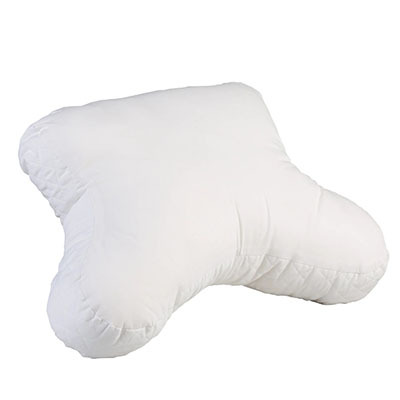
12) Therapeutic Pillows: Targeted Support for Pain and Positioning
Therapeutic pillows can relieve pressure, improve alignment, and support rest and recovery.
Great pillow types for ADL support
- Neck/cervical pillows for head and spine alignment.
- Knee pillows for hip/spine comfort when side sleeping.
- Lumbar pillows for seated support.
- Wedges for breathing, reflux, or leg elevation.
- Seat cushions for pressure relief and posture support.
Best for: back pain, neck pain, sciatica discomfort, circulation support, posture needs.
How to Choose the Right ADL Assistance Products
A strong home support plan usually combines safety + mobility + comfort:
- Start with high-risk zones: bathroom, bedroom, stairs, kitchen.
- Prioritize fall prevention: non-slip solutions, grab bars, lighting, stable transfers.
- Match tools to the limitation:
- Grip weakness → built-up handles, jar openers, adaptive utensils
- Bending restrictions → reachers, sock aids, hip kits
- Balance issues → rails, transfer benches, night lighting
- Choose adjustable, easy-clean products whenever possible.
- When in doubt, ask a professional (OT/PT) for fit and technique—especially for post-surgery precautions.
A Simple “Starter Bundle” for Most Homes
If you’re building a foundational ADL support kit, these categories cover the biggest wins:
- Non-slip bath mat + non-slip rug pads
- Shower chair or transfer bench
- Raised toilet seat (if needed) + toilet safety frame
- Bedside assist rail or standing handle
- Motion-sensor night lights
- Reacher/grabber
- Sock aid + long-handled shoe horn
- Weekly pill organizer with AM/PM slots
- Therapeutic pillow (cervical or knee) based on sleep needs
Let these Activities of Daily Living assist products enhance your quality of life.