

|
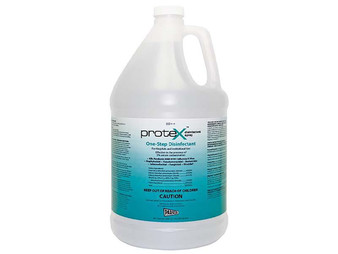
Surface Disinfectants · Metrex Research CaviCide Surface Disinfectant — 2.5 GallonA ready-to-use, low-alcohol/quat liquid disinfectant that cleans and disinfects in one step. Kills TB in 3 minutes; MRSA, HIV-1, HCV & HBV in 2 minutes. Ready-to-Use EPA Registered Bactericidal Virucidal* Tuberculocidal Fungicidal Low-Alcohol / Quat Formula |
| Overview Key Features Kill Claims Directions Specifications Know the Terms Safety Q&A |
Product Overview
CaviCide is a convenient, ready-to-use surface disinfectant formulated to clean and disinfect in a single step — no pre-cleaning wipe-down required for most routine surface disinfection. It is effective against a broad range of harmful organisms as listed on the product label, and when used as directed, it also effectively cleans and disinfects non-critical and semi-critical instrumentation.
This 2.5-gallon container is built for facilities that go through disinfectant quickly — think exam rooms, labs, imaging suites, tattoo and piercing studios, veterinary clinics, and any high-traffic space that needs dependable, hospital-grade surface disinfection without the cost or waste of constantly restocking smaller bottles. Use it to refill spray bottles or pair it with a compatible dispensing pump for fast, low-mess application.
|
Why facilities choose CaviCide It combines cleaning and disinfecting into one product, works on most hard non-porous surfaces, and carries fast contact times — 3 minutes for tuberculosis and just 2 minutes for MRSA, HIV-1, HCV, and HBV — so staff spend less time waiting and more time moving on to the next task. |
Key Features
|
|
||
|
|
||
|
|
Kill Claims & Contact Times
Contact time (also called "dwell time") is how long a surface needs to stay visibly wet for CaviCide to fully disinfect against a given organism. Below are the headline contact times for this product; refer to the full product label for the complete list of organisms.
| Organism / Pathogen Type | Contact Time | Examples |
|---|---|---|
| Tuberculosis (Mycobacteria) | 3 minutes | Mycobacterium tuberculosis (TB) |
| Multidrug-resistant bacteria | 2 minutes | MRSA (Methicillin-Resistant Staph aureus) |
| Bloodborne pathogens (enveloped viruses) | 2 minutes | HIV-1, Hepatitis C (HCV), Hepatitis B (HBV) |
*Virucidal, bactericidal, tuberculocidal, and fungicidal claims are based on standardized lab testing per the EPA-approved product label. Always confirm current claims and contact times against the label on your specific container.
Directions for Use
Routine Surface Disinfection
| 1. Pre-clean any visibly soiled surface to remove gross debris. |
| 2. Apply CaviCide directly to the surface (spray or wipe on), thoroughly wetting the area to be disinfected. |
| 3. Allow the surface to remain visibly wet for the full contact time required for the target organism (2–3 minutes — see table above). |
| 4. Let air dry. No rinsing is required for most routine environmental surfaces. |
Semi-Critical & Non-Critical Instruments
When used as directed on the product label, CaviCide can clean and disinfect non-critical and semi-critical instrumentation. Follow the specific pre-cleaning, application, and contact-time instructions on the label, and always confirm compatibility with your instrument manufacturer's guidelines before use.
Product Specifications
| Product Name | CaviCide Surface Disinfectant |
| Container Size | 2.5 Gallons |
| Quantity | Each (sold individually) |
| Form | Ready-to-use liquid |
| Chemistry | Low-alcohol / quaternary ammonium (quat) compound |
| Product Dimensions | 9.5″ x 15″ x 7″ |
| Weight | 22 lbs |
| Intended Use | Hard, non-porous surfaces; non-critical & semi-critical instrumentation |
| Recommended Settings | Medical, dental, veterinary, laboratory, and other professional clinical environments |
Know the Terms
New to disinfectant labels? Here's a quick, plain-language cheat sheet for terms you'll see on this page and on the product label itself.
|
|
||
|
|
||
|
|
Safety & Precautions
|
Please read before use • May be harmful if absorbed through the skin and can cause moderate eye irritation — avoid contact with eyes, skin, and clothing. • Use in a well-ventilated area. • Product is combustible — keep away from heat, sparks, and open flame, and store away from direct sunlight. • Wear appropriate personal protective equipment (gloves and eye protection recommended) during use. • Keep out of reach of children and pets. For professional/commercial use. • In case of eye or skin contact, flush thoroughly with water; consult the Safety Data Sheet (SDS) and product label for full first-aid instructions. • Always read and follow the complete product label and SDS before use — this page is a summary, not a substitute for the label. |
Questions & Answers
|
What is CaviCide used for? CaviCide is a ready-to-use surface disinfectant and cleaner used to clean and disinfect hard, non-porous surfaces and semi-critical medical/dental instruments. It's commonly used in clinical, laboratory, and patient care settings, and anywhere else that needs hospital-grade disinfection. |
|
How long does CaviCide take to disinfect a surface? It depends on the organism: CaviCide is effective against tuberculosis (TB) in 3 minutes, and against MRSA, HIV-1, HCV, and HBV in 2 minutes. The key is keeping the surface visibly wet for the full contact time — wiping it dry early can undercut the disinfection. |
|
What are the active ingredients in CaviCide? CaviCide is a low-alcohol/quat formula. Its active ingredients are a quaternary ammonium compound (diisobutylphenoxyethoxyethyl dimethyl benzyl ammonium chloride) and isopropanol (isopropyl alcohol). |
|
Is CaviCide EPA registered? Yes. CaviCide is registered with the U.S. EPA (EPA Reg. No. 46781-6) and has appeared on the EPA's List N of disinfectants for use against emerging viral pathogens. |
|
What surfaces is CaviCide safe to use on? CaviCide is compatible with most hard, non-porous surfaces commonly found in clinical and lab settings, including countertops, exam tables, and equipment housings. Always spot-test on an inconspicuous area first and check the product label for any material compatibility exceptions. |
|
Can CaviCide be used on medical or dental instruments? When used as directed, CaviCide effectively cleans and disinfects non-critical and semi-critical instrumentation. It is not a sterilant and should not replace sterilization for critical instruments that penetrate skin or contact the bloodstream. |
|
Do I need to rinse CaviCide off after use? For most environmental surfaces, no rinsing is required once the contact time has been met. For food-contact surfaces or specific instrument manufacturer guidance, follow the rinse instructions on the product label. |
|
How should I dispense CaviCide from the 2.5-gallon container? The 2.5-gallon size is designed for refilling spray bottles or use with a compatible dispensing pump, making it a cost-effective option for high-volume settings that go through disinfectant quickly. |
|
What precautions should I take when using CaviCide? CaviCide can be harmful if absorbed through the skin and may cause moderate eye irritation. Avoid contact with eyes, skin, and clothing, use in a well-ventilated area, and keep away from heat or open flame since the product is combustible. Always wear appropriate PPE and consult the SDS before use. |
|
How should CaviCide be stored, and does it expire? Store CaviCide at room temperature, away from direct sunlight and open flame, in its original tightly closed container. Check the lot-specific expiration date printed on the container label, as shelf life can vary by manufacturing batch. |
|
For Professional/Commercial Use. Always read and follow the complete product label and Safety Data Sheet (SDS) before use. Efficacy claims, directions, and precautions summarized here are based on the manufacturer's published product information and are provided for general reference only — the physical product label always governs actual use. CaviCide is a registered trademark of Metrex Research, LLC. |